Buying your first camera is exciting, but it can also be overwhelming. The market is flooded with options: DSLRs, mirrorless cameras, compact cameras, and advancements in smartphone photography blur the lines between them. The good news is that there has never been a better time to buy a camera. The bad news is that the choices can paralyze you.
This guide cuts through the marketing noise and helps you find the right camera based on your needs, budget, and goals. We will cover the major camera types, key specifications to consider, and specific recommendations for different use cases.
DSLR vs. Mirrorless: The Great Debate
For years, the first question every buyer faced was: DSLR or mirrorless? Today, the answer is increasingly clear. Mirrorless cameras have become the dominant choice for most photographers, including beginners. They are smaller, lighter, and offer features like real-time exposure preview through an electronic viewfinder that DSLRs cannot match.
DSLRs use a mirror mechanism to reflect light from the lens into an optical viewfinder. This system is mature, reliable, and offers excellent battery life — a DSLR can often shoot 800-1,200 images on a single charge. They also have access to a vast library of affordable used lenses. However, DSLRs are bulkier and their optical viewfinders cannot show you the final exposure before you press the shutter.
Mirrorless cameras eliminate the mirror, allowing light to hit the sensor directly. The electronic viewfinder shows you exactly what the final image will look like, including exposure, white balance, and depth of field effects. Mirrorless systems are the future of photography, and most major manufacturers have shifted their development resources entirely to mirrorless technology.
For most beginners today, a mirrorless camera is the better choice. Unless you have a specific reason to go DSLR — like access to a specific lens system or a very tight budget — start with mirrorless.
According to the Camera & Imaging Products Association, mirrorless camera shipments surpassed DSLR shipments globally in 2020 and have continued to grow, reflecting the industry-wide shift toward mirrorless technology.
Key Specifications to Consider
Beyond the DSLR vs. mirrorless question, several specifications determine how well a camera will serve your needs. Understanding them helps you make an informed decision.
Sensor size is the most important factor in image quality. Full-frame sensors offer the best low-light performance and dynamic range, but they are expensive. APS-C (crop sensor) cameras offer an excellent balance of quality and value and are the sweet spot for most enthusiasts. Micro Four Thirds is smaller still but offers a good ecosystem at lower prices.
Megapixels are the most marketed specification but the least important beyond a certain point. 20-24 megapixels is plenty for large prints and cropping. More megapixels only matters if you need extreme cropping or massive prints. Do not let megapixel count drive your decision.
Autofocus system matters a great deal, especially for action, wildlife, or children photography. Look for phase-detection autofocus (PDAF) with good subject-tracking capabilities. Modern mirrorless cameras excel here with eye-tracking and animal detection.
Video capabilities are worth considering even if you primarily shoot stills. Most modern cameras offer excellent 4K video, and having the option opens creative possibilities. If video is a priority, look for features like in-body stabilization, microphone input, and log profiles for color grading.
Budget Recommendations by Price Range
Under $500: At this price, consider a high-end smartphone camera or an entry-level mirrorless kit. The Canon EOS R100 and Sony ZV-E10 (when on sale) offer solid entry points. Alternatively, buy a used mirrorless body from a previous generation and pair it with a quality prime lens.
$500-$1,000: This is the sweet spot for serious beginners. The Sony Alpha a6100 or a6400, Fujifilm X-T30 II, and Canon EOS R50 all offer excellent image quality, good autofocus, and room to grow. The Fujifilm cameras are particularly appealing for their film simulations and tactile controls.
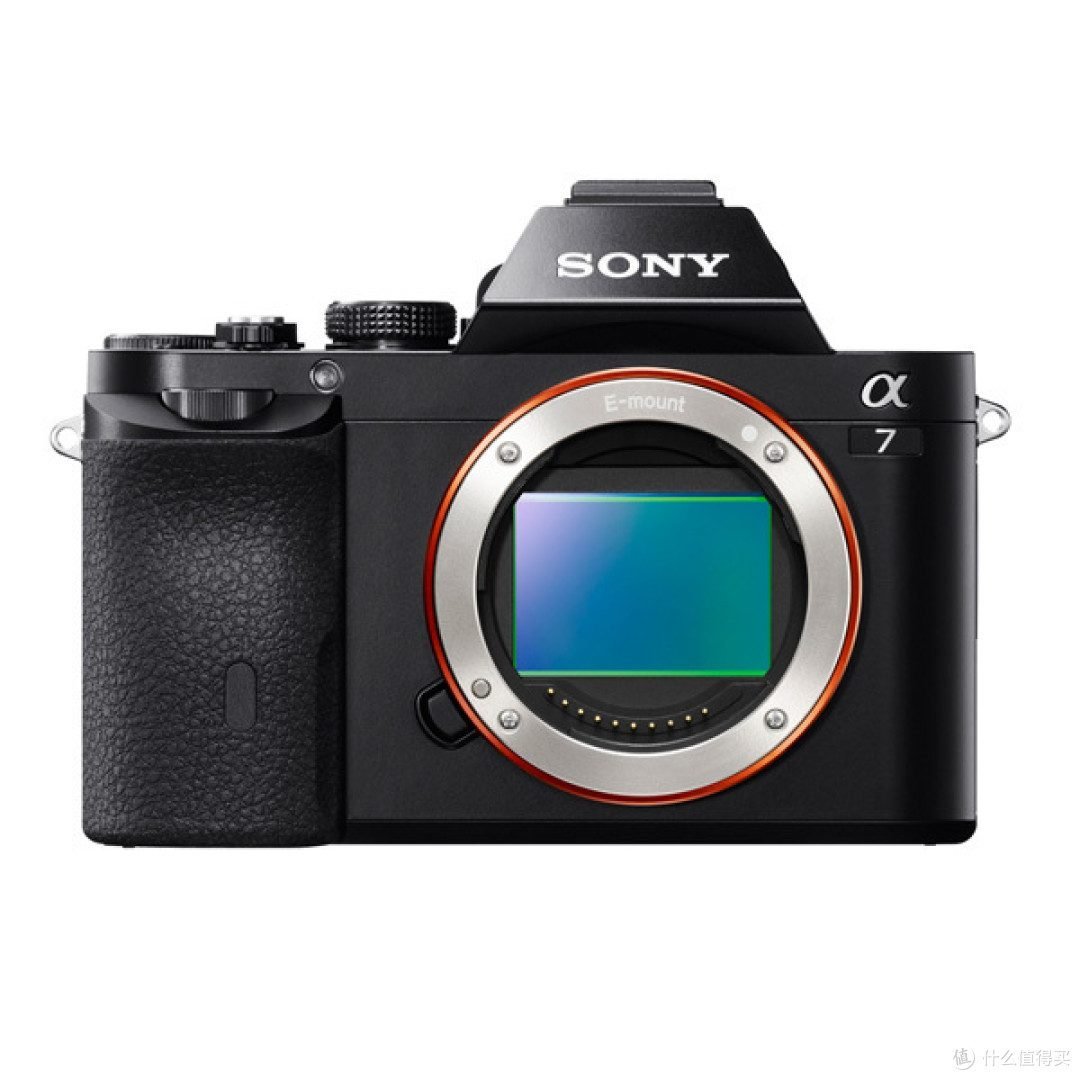
$1,000-$2,000: Here you enter enthusiast territory. The Sony a7 III (full-frame), Fujifilm X-T5, and Canon EOS R8 offer professional-level features in relatively compact bodies. The Sony a7 III remains one of the best value full-frame cameras on the market, years after its release.
Above $2,000: At this level, you are buying specialized tools for specific needs. The Sony a7 IV, Nikon Z6 III, and Canon EOS R6 Mark II are excellent all-rounders. For dedicated wildlife or sports shooters, the Sony a9 series or Canon EOS R3 offer unmatched speed.
Don't Forget the Lenses
Your camera body is only half the equation. The lens you pair it with has a bigger impact on image quality than the body itself. A $500 camera with a $500 lens will outperform a $2,000 camera with a kit lens in most scenarios.
Start with a versatile zoom like a 24-70mm equivalent to cover most situations. Add a fast prime lens — 35mm f/1.8 or 50mm f/1.8 — for portrait and low-light photography. Prime lenses are relatively affordable and will teach you more about composition than zooming will.
The most important advice: do not overbuy. A camera that is too complex or expensive will stay in its bag. Buy something that fits your current skill level and budget, with enough room to grow. The best camera is the one you will actually carry and use.
Accessories That Matter
Beyond the camera body and lens, a few key accessories will significantly improve your experience and results. A sturdy tripod is essential for low-light photography, long exposures, and sharp landscapes. You do not need to spend a fortune — a solid entry-level tripod from brands like Manfrotto or Vanguard will serve you well for years.
Extra batteries and memory cards are non-negotiable. Nothing ends a shoot faster than a dead battery or full card. Invest in at least two spare batteries and multiple high-speed memory cards with adequate capacity. A comfortable camera strap that distributes weight across your shoulder rather than your neck makes a huge difference during long shooting sessions.
A camera bag that fits your gear and your lifestyle is worth careful consideration. Think about how you will carry your camera day to day. A small sling bag for daily carry, plus a larger backpack for dedicated shoots, covers most situations. The best bag is the one you will actually bring with you, so prioritize comfort and accessibility over maximum capacity.
For detailed camera comparisons, hands-on reviews, and personalized gear recommendations, visit Shutter Academy, where you will find buying guides, sample image galleries, and community advice from photographers who have been where you are.